
Description
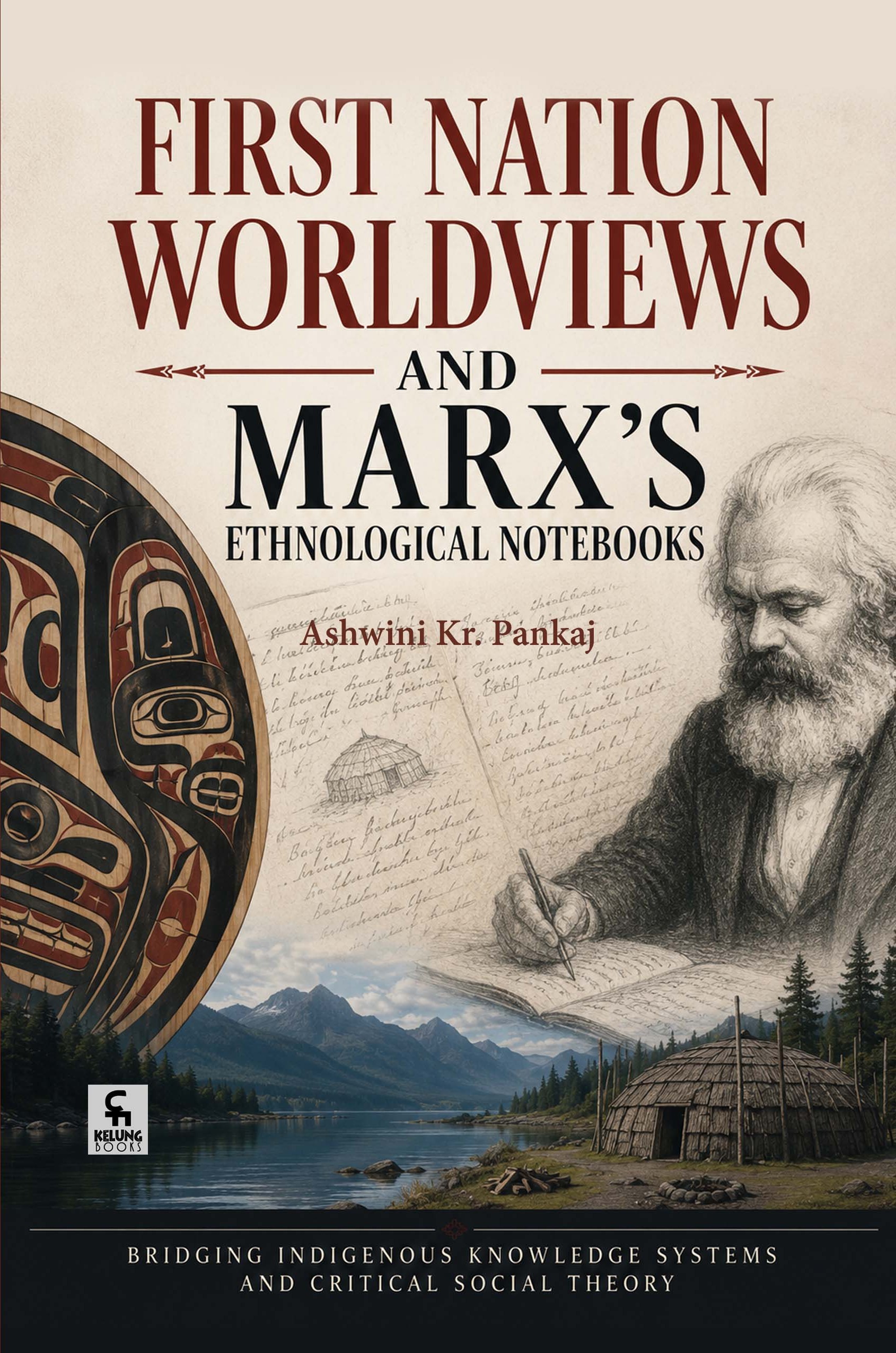
Marx’s Ethnological Notebooks reveal a thinker deeply engaged with First Nation (Adivasi/Tribal/Indigenous) societies, communal land systems, kinship governance, and the origins of the state. This book offers a powerful rereading of Marx from the perspective of First Nation worldviews, challenging the Eurocentric and evolutionary assumptions embedded in nineteenth-century anthropology. Rather than treating First Nation societies as “primitive” stages of history, the book argues that they constitute enduring and intellectually sophisticated social worlds grounded in relationality, ecological balance, collective responsibility, territorial belonging, and non-state forms of governance. Through critical engagement with Marx, Morgan, and First Nations thinkers such as Taiaiake Alfred, Vine Deloria Jr., Leanne Betasamosake Simpson, Linda Tuhiwai Smith, and Jaipal Singh Munda the study rethinks questions of land, kinship, sovereignty, colonialism, and decolonial futures.. At the heart of the book is Adivasidom-an First Nation epistemology and political ontology that names the social, ethical, ecological, territorial, and intellectual foundations of Adivasi collective life. Adivasidom is not simply another term for indigeneity, it articulates a distinct conceptual framework through which First Nation communities understand land, authority, memory, community, and political existence. Bold and interdisciplinary, this work asks whether Marxism can move beyond its developmental and materialist limitations, and whether First Nation philosophies can open pathways beyond capitalism, colonial domination, centralized power, and ecological destruction. It is both a critique of modern civilization and an invitation to rethink humanity’s future through the knowledge, political intelligence, and relational worlds of First Nation peoples.